October 25th, 2026

SoundCloud

SoundCloud

Ed Cooper – Mutism
Timothy McCormack / Marco Fusi – …stretched across its axes

Vladislav Delay – Prisoner’s Dilemma
uœrhe – Gaps and Absences
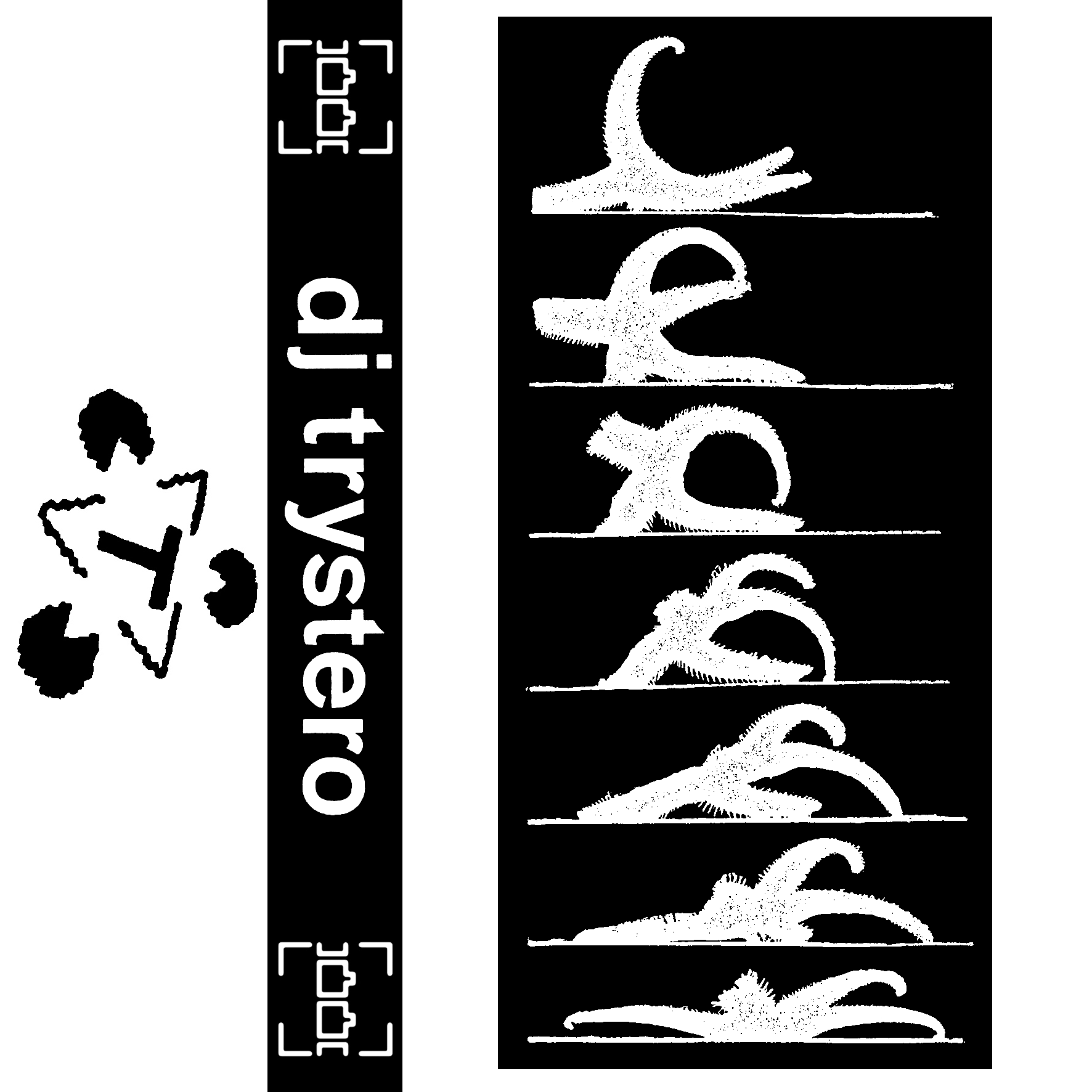
DJ Trystero mixtape!

Put together on the train back from The White Hotel, designed as a much needed meditation.
Thanks to the DJs and everyone who came and danced!
We’ll miss The White Hotel, big love to the crew!
Sarah-Jane Summers – Mirk Monanday
Ángeles Rojas – Open The Windows And Let The Spirits In And Out
Hiroshi Minami / Eiko Ishibashi – Requintum
Jürg Frey – String Trio
Charles Curtis – Terry Jennings – Song (1960)
Michèle Bokanowski – Tabou
Claire Chase, JACK Quartet, Terry Riley, Samuel Clay Birmaher – Pulsing Liftors
Christian Wallumrød – Resting Blueberry
John Tilbury – Howard Skempton – Potters Bar (2004)
Eugene Carchesio – Film Score XX

“Will Bankhead returns with an enchanting folk mixtape as Clay Jug, marking his 6th and most focussed excursion under the What We-related alter ego formed in 2009, tipped FFO The Worm, Quinie, Cerys Hafana, Nyahh Records, Gwenifer Raymond, Brìghde Chaimbeul…
Frankly, we haven’t a scooby to the tracklisting, but the strong Irish brogue and cadence is the clearest indicator of the songs’ provenance.
On the A-side it’s all women’s voices, unaccompanied, keening and emoting in the sean-nós style, while the B-side leans mostly into string-led works; from a slightly Lemmiwinks-type guitar ballad with male voice, to what we detect is possibly a bouzouki (Donal Lunny?), into plangent fiddle soloing, a sublime piece of oneiric harp strokes, and a lone flute blown at the end.
Simply beautiful stuff.” Thanks Boomkat

Sleeparchive – Nuances
www.tumblr.com/pairs-gallery/
Ranseur – Obsidian Throne
Crying Rice – Better Finish Your Meal!
Experimentelle Welt 1
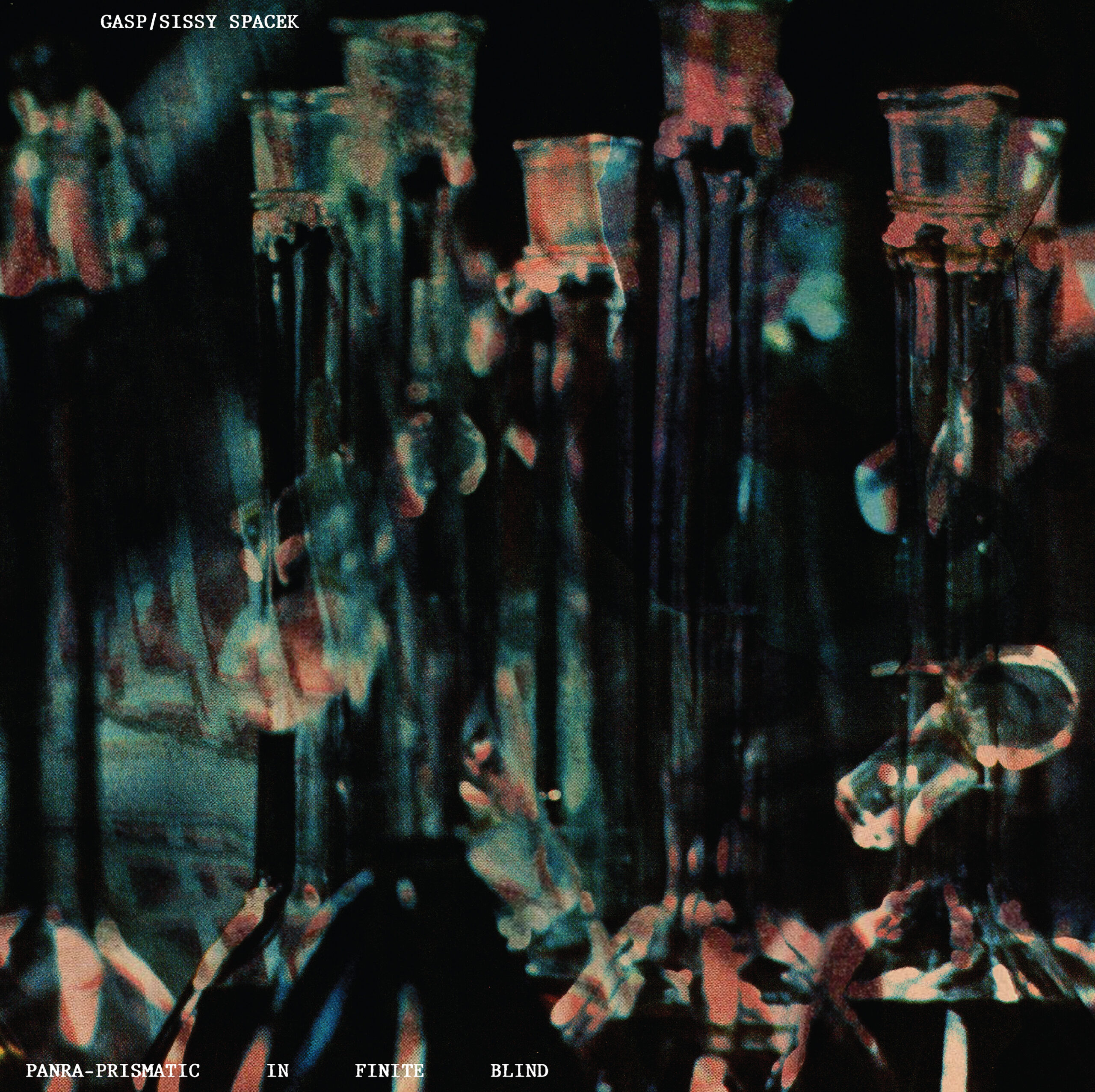
Gasp-Sissy Spacek – Panra-Prismatic In Finite Blind

Brak – Tweak Couture

Perfect Honest Jon’s write-up : )
“Pure loveliness. Proper music-making,
DIY Classical, but nothing slapdash or posey. Intimate and tentative, seamed with risk, occasional mis-steps, dodgy tuning, minor technical fuck-ups; but with a gripping, stilled dedication and deep musical understanding.
Double bass, electric guitar, flute, melodica, singing; recorded at home in NYC, on dodgy gear, with a snug, woody, shhshh-ing, analogue-style ambience.
The trio hovers between cheerful relish — who’s that giggling at the back — and hushed, humble reverence, basking in the processes of musical communion and learning. They play like they are gingerly passing on a precious, fragile gift; but without conceit.
Luminous selections from the last six hundred years — John of Dunstable meets Friedrich Nietzsche — lovingly arranged by the group, with a bent for stripped-to-the-bone, emotionally restrained sublimity, steady as she blows.
Warmly recommended. Soul food.”

Sanctuarium – Impetuous Behest For Detestable Expulsion

David Dunn and Apartment House – The Great Liberation Through Hearing
In at All Night Flight!
“Top tier cardigan-core from NYC amateur classical chamber music ensemble Cop Tears (the trio comprised of Reading Group label head Derek Baron alongside John Andrew Wilhite and Cameron Kapoor), cherrypicking works between the mid-14th to 21st Century.
On this charming and woolly set, The Trilogy Tapes seems keen to remind us that the degree of separation between dilettante classical music and outsider techno is less than it might appear. Warm tape hiss and muffled room noise sets the scene of a group of friends gathered around Cameron’s NYC apartment. On the face of things, 19th century compositions from Friedrich Nietzsche, Guillaume de Machaut’s mid-14th c. ‘Puis qu’en oubli’ and a whole load of others I’ve certainly never heard of seems absolutely impenetrable, but the endearing amateurism has a disarming effect and suddenly you’re drifting away to warm, woody bass notes and soft flute whilst the day unfolds gently outside the window. Anyone who finds solace in the homey sentiment find in Tori Kudo’s more soothing works or Pascal Comelade’s chamber miniatures will find much comfort here. It’s only classical music, don’t be scared!!” All Night Flight (2026)
In at Boomkat!
“TTT tack to classical chamber music with the intimately fuzzy recital of richly melodic works written between mid-14th and 21st centuries and performed by NYC’s Cop Tears, a trio of early and avant garde music specialists; Derek Baron, Cameron kapoor, and John Andrew Wilhite.
Attending to an emergent TTT touchstone of recent times – as in Jack Sheen’s works, thru aspects of Will Bankhead’s What We and Guild mixes – Cop Tears lean into interests in quieter chamber music laced with threads of lo-fi, folk and jazz that tie ‘The Rules of the Game’ to the label’s key corpus. The 13 pieces follow five years from the trio’s ‘Theodor Adorno: Piano Works’, and five again from their debut ‘Thirteen Harmonies (1986) Selections From John Cage’s ‘Apartment House 1776’’, with enchanting slants on cherry picked pieces that endure, some over 600 years later, on the strength of their timeless arrangements.
In key with the label’s thing, everything is swaddled in ferric gauze – possibly posited on auld tape recorders – and holds a peculiar, homely, discordant charm (including fits of giggles and room noise) for the duration, which never tests the patience. The C.14th, polyphonic chanson Ars Nova masterpiece of Guillaume de Machaut ‘Puis qu’en oubli’ is the set’s oldest, along with ‘Quam pulchra est’, a mid-C.15th work for recorder trio by John Dunstable, placed on the same page with the more angular chamber jazz modernism of ‘Selections from Piano Sonata after a Conversation with Jonathan Gean (2016)’ and their take on the naïf wooze of ‘Children’s Music, No. 1, II: Modern Dance (1973)’ by Valentin Silvestrov. Our percy is the dreamy, creaking baroque elegance of ’S’io men vo (1618)’, but it’s best advised to take it all in one at your leisure…” Boomkat (2026)